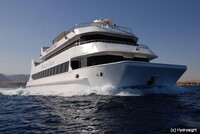
Acrylic Underwater Hull Windows & Submersible Viewports
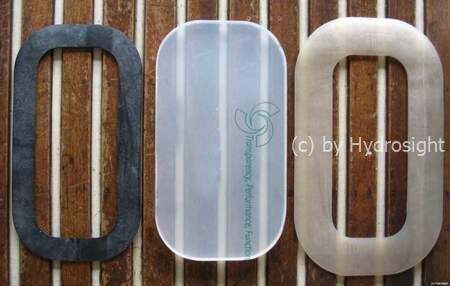
As a break-resistant, high-performance material, acrylic (PMMA) has been the standard for the deepest diving submarine windows for over 40 years. Touristic semi-submarines rely on large rectangular viewports made predominantly from monolithic acrylic blocks. Unlike glass, acrylic can be cast into complex shapes, making it the ideal material for curved windscreens and hydrodynamic contours.
The Trade-off: Scratch Resistance vs. Impact Safety
The primary drawback of acrylic is its surface hardness. Acrylic is softer and can be scratched more easily than laminated glass. For this reason, standard superstructure windows (bridge, salon) are typically made of glass.
Why Acrylic is Mandatory for the Waterline
However, for hull glazing and underwater portlights, the priorities change.
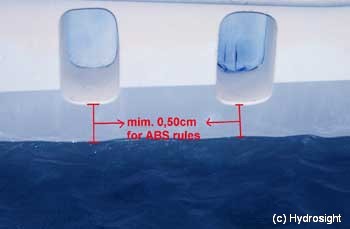
If windows are positioned close to or below the waterline, Classification Societies (such as DNV, Lloyd's, or GL) often classify them as "underwater windows." In these critical zones, the risk of brittle fracture must be eliminated.
- Glass is rigid and brittle; under extreme hull stress or wave impact, it can shatter catastrophically.
- Acrylic is viscoelastic and ductile. It can absorb massive dynamic loads ("slamming") and deformation without failing.
Therefore, even if a window is technically above the waterline in calm conditions, if it is subject to wave submersion, the classification society often mandates the use of PVHO-grade Acrylic.
Case Study: Hull Portlights for Dream On
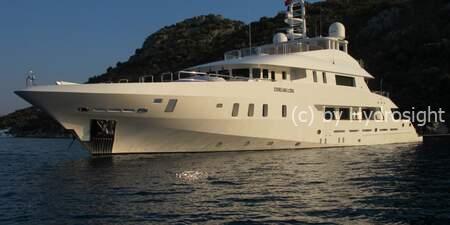
The superyacht Dream On was voted one of the best yachts by Segeln magazine. Built by Dunya Yachts at Ursa Shipyard near Istanbul, Turkey, this 32-meter luxury vessel represents a significant engineering achievement with a value of €8 Million.
To ensure safety and compliance for the guests, the windows in the lowest hull row (closest to the waterline) are high-pressure acrylic ship windows—engineered, produced, and delivered by Hydrosight.